

The dream of owning a home is one of the most significant milestones in a person’s life. However, the financial journey that follows the initial purchase can often feel overwhelming due to the complexity of long-term debt. In the past, managing these obligations required physical visits to financial institutions and a constant struggle with paper statements.
Today, the digital revolution has simplified this process significantly. By using a home credit app, borrowers can now oversee their financial commitments from the palm of their hand. This shift toward mobile-first management ensures that homeowners stay informed and in control of their progress without the traditional stress of manual tracking.
The Shift Toward Digital Property Financing
The financial industry has undergone a massive transformation over the last decade. Gone are the days when a housing loan required a dedicated filing cabinet for monthly receipts and amortization schedules. The transition to digital platforms has made it possible for anyone with a smartphone to access their account details instantly. This accessibility is not just about convenience. It is about empowerment. When a borrower can see their balance at any time, they are more likely to make informed decisions about their spending and saving habits.
Read More: How Online Platforms Are Making Personal Loans Easier Than Ever
Mobile interfaces have become the primary touchpoint for modern consumers. These platforms are designed to condense complex financial data into readable charts and simple lists. For many, the ability to check the status of a housing loan while commuting or during a lunch break provides a sense of security. It removes the mystery often associated with long-term interest calculations and remaining terms. As more people embrace these tools, the relationship between the lender and the borrower becomes more transparent and collaborative.
Understanding the Home Credit App Ecosystem
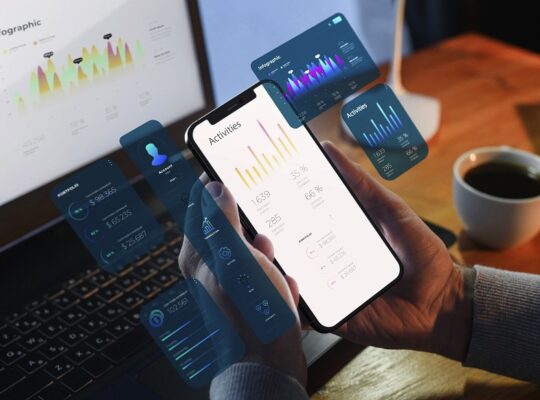
A well-designed home credit app serves as a centralized hub for all activities related to a mortgage. Upon logging in, users are typically greeted with a dashboard that highlights the most critical information. This includes the next payment date, the current outstanding balance, and any recent transactions. The goal of the interface is to reduce cognitive load. Instead of searching through menus, the user finds what they need within seconds.
The architecture of these apps focuses on user experience. Developers prioritize clean layouts and intuitive navigation to ensure that even those who are not tech-savvy can manage their housing loan effectively. Large buttons, clear fonts, and color-coded alerts help guide the user through various tasks. Whether it is updating personal information or checking for new offers, the ecosystem is built to be a one-stop shop for financial management. This streamlined approach helps prevent the anxiety that often comes with managing large sums of money.
Read More: What to Know Before You Apply for a Gold Loan Online
Monitoring Your Housing Loan Progress
One of the most valuable features of a home credit app is the ability to track progress in real time. A housing loan is a marathon, not a sprint. Seeing the principal balance slowly decrease over months and years provides a psychological boost to the borrower. Most apps include a visual representation of the loan lifecycle, showing how much has been paid versus how much is still owed. This transparency is vital for long-term financial planning.
In addition to tracking the balance, these apps provide detailed amortization schedules. Users can see exactly how much of each payment goes toward interest and how much goes toward the principal. This level of detail was once difficult to obtain without requesting a formal statement. Now, it is available with a few taps. By understanding this breakdown, borrowers can better appreciate the impact of their payments and plan for potential early settlements or lump-sum contributions.
Seamless Payment Solutions for Modern Borrowers
The core functionality of any home credit app is the ability to facilitate payments. Missing a payment on a housing loan can have serious consequences for a person’s credit score and financial stability. To mitigate this risk, mobile interfaces offer multiple payment options. Users can often link their bank accounts directly or use digital wallets to settle their monthly dues. The process is designed to be fast and frictionless, reducing the likelihood of late fees.
Many platforms also offer automated payment features. By setting up a recurring transfer, the borrower ensures that their housing loan is always paid on time. The app sends a notification before the money is deducted and another one once the transaction is successful. This “set it and forget it” mentality allows homeowners to focus on other aspects of their lives while maintaining a perfect payment record. The convenience of digital transactions also eliminates the need for physical checks or cash payments, which are prone to loss or delay.
Security Protocols and Data Privacy
When dealing with a housing loan, security is a top priority. A home credit app must handle sensitive personal and financial data, making robust protection measures essential. Modern apps utilize biometric authentication, such as fingerprint or facial recognition, to ensure that only the authorized user can access the account. This adds a layer of security that traditional paper-based systems simply cannot match.
Beyond login security, these platforms use advanced encryption to protect data during transmission. Every time a user checks their housing loan status or makes a payment, the information is scrambled to prevent unauthorized access. Regular software updates also ensure that the app remains protected against new digital threats. For the borrower, this means peace of mind. They can manage their finances knowing that their personal information is guarded by industry-standard security protocols.
Optimizing Your Financial Health Through Mobile Tools
Effective management of a housing loan is about more than just making monthly payments. It is about understanding how that debt fits into a broader financial picture. Some apps provide calculators and budgeting tools that help users see how changes in their income or spending might affect their ability to pay off their loan faster. These insights encourage proactive financial behavior.
By regularly engaging with a home credit app, borrowers become more attuned to their financial health. They might notice opportunities to refinance or see the benefits of making small extra payments toward the principal. The constant availability of data transforms the housing loan from a static monthly bill into a dynamic part of a wealth-building strategy. Ultimately, these digital interfaces serve as a bridge between the dream of homeownership and the reality of financial freedom. The more a borrower interacts with their loan data, the more confident they become in their ability to manage their future.